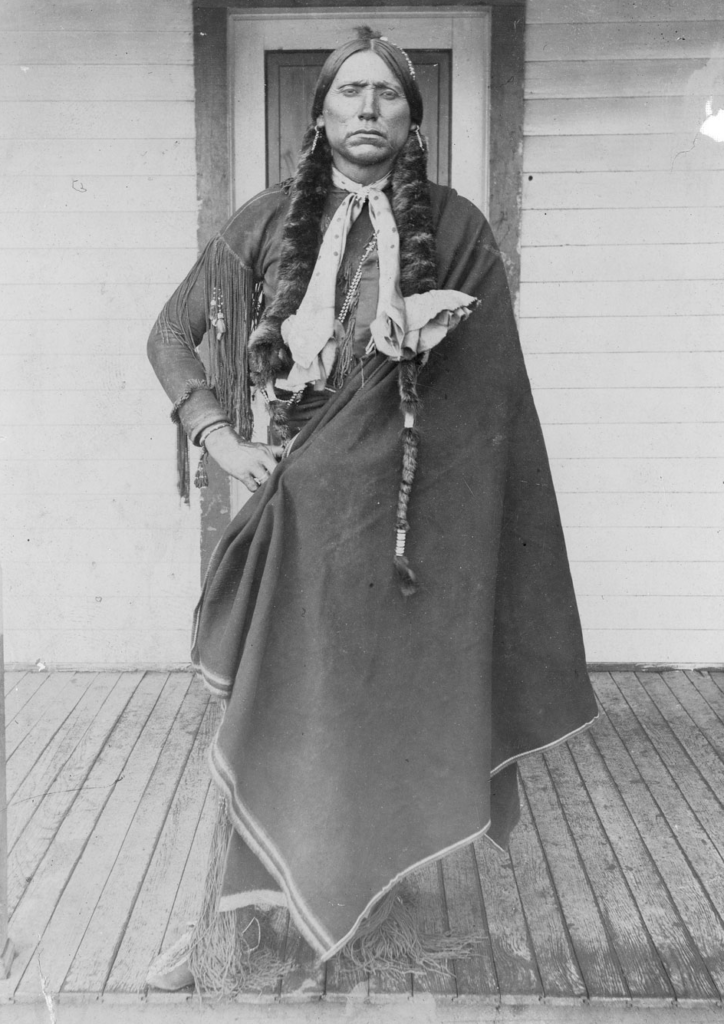
Peta Nocona, Lone Wanderer

Who Was Peta Nocona?
Peta Nocona (also known as Puhtocnocony or Tah-con-ne-ah-pe-ah) was a prominent Comanche war chief of the Quahadi (or Kwahadi) band, one of the most nomadic and fierce subgroups of the Comanche Nation. Born around 1820, he was the son of Iron Jacket (Puhihwikwasu’u), a revered Quahadi chief, and rose to leadership himself during a turbulent era of conflict between the Comanche and encroaching white settlers in Texas.
Brief Background on His Life
Peta Nocona’s early life was shaped by Comanche traditions on the Southern Plains, where he honed skills in horsemanship, warfare, and buffalo hunting—essential to the tribe’s nomadic, equestrian culture. By the late 1830s, he had become a key figure in the Quahadi band, leading it from approximately 1840 until his death. This period coincided with the height of the Texas–Indian Wars (1830s–1870s), as Texas Rangers, U.S. Army forces, and settlers pushed westward, clashing with Comanche raiders who defended their hunting grounds and way of life.
A pivotal personal event was his marriage to Cynthia Ann Parker (renamed Naduah or Narua in Comanche), a white girl captured at age nine during the 1836 Fort Parker massacre—a devastating raid by allied Comanche, Kiowa, and Kichai warriors that killed several settlers and took five captives. Cynthia Ann was adopted into the Nokoni Comanche band (allied with the Quahadi) and fully integrated into their society, learning the language, customs, and skills like tanning hides and gathering. She and Peta Nocona wed around 1838, defying Comanche customs that allowed polygamy for successful warriors; he remained devoted to her alone.
The couple had three children: Quanah (born c. 1845, future last Comanche war chief), Pecos (or Pecan, who died young from illness), and Topsannah (or Prairie Flower, born c. 1857). Family life was interrupted by relentless raids and battles. In early 1860, Peta Nocona led a major raid through Parker County, Texas (ironically named for Cynthia Ann’s family), stealing horses and goods in retaliation for settler encroachments.
Tragedy struck on December 18, 1860, during the Battle of Pease River (also called the Battle of Mule Creek). Texas Ranger Captain Lawrence Sullivan “Sul” Ross’s forces ambushed Peta Nocona’s winter camp near the Pease River in present-day Foard County, Texas, massacring dozens of Comanche (mostly women and children, as most warriors were away hunting). Cynthia Ann and young Topsannah were captured and forcibly “rescued,” devastating the family. Accounts of Peta Nocona’s fate vary: Ross claimed he killed the chief in pursuit, but Quanah Parker disputed this, insisting his father survived the battle (having been absent) and died later from infected war wounds and grief around 1863–1864.
Contributions to the Comanche Tribe
As a war chief, Peta Nocona was instrumental in preserving Comanche autonomy and the Quahadi band’s strength amid existential threats from American expansion. His leadership elevated the Quahadi to one of the most respected and feared Comanche divisions, known for their mobility, hit-and-run tactics, and unyielding resistance. He orchestrated numerous raids that disrupted settler supply lines, protected buffalo herds (earning him the title “Protector of the Buffalo”), and secured resources like horses and captives, which bolstered tribal economy and morale. Unlike many leaders, he fostered deep loyalty through his strategic prowess and personal integrity, never abandoning his band or family. His legacy influenced his son Quanah, who credited Peta Nocona’s example in blending warrior traditions with later diplomacy. The Texas town of Nocona is named in his honor, reflecting his enduring impact.
What He Was Most Famous For
Peta Nocona is most renowned as the devoted husband of Cynthia Ann Parker—the iconic “white Comanche” whose story of capture, assimilation, and tragic recapture symbolizes the cultural clashes of the frontier—and as the father of Quanah Parker, the last great Comanche leader who bridged traditional and modern worlds. His fame also stems from his role in the Pease River battle, a turning point that weakened Comanche resistance and led to Cynthia Ann’s unwilling return to white society (where she mourned her lost life until her death in 1864). These familial ties, combined with his reputation as a formidable raider, cemented his place in Texas and Native American history.
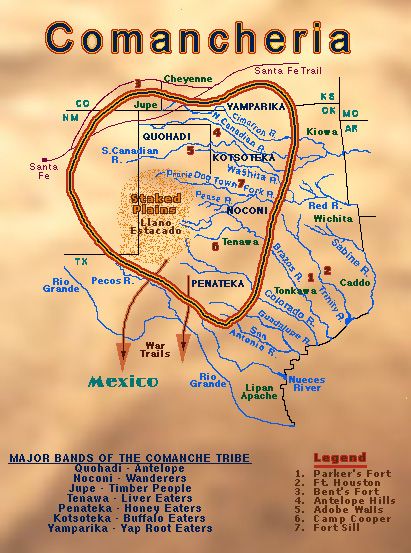
Historical records on specific battles he fought in are sparse and often lack precise documentation due to the oral nature of Comanche history and the chaotic frontier context. However, based on available accounts, including those from his son Quanah Parker and Texas Ranger reports, here is a detailed overview of the battles and engagements Peta Nocona is known or believed to have participated in:
- Fort Parker Massacre (May 19, 1836)
- Context: This was not a battle in the traditional sense but a significant raid that shaped Peta Nocona’s life. A large force of Comanche, Kiowa, and Kichai warriors attacked Fort Parker, a settler stockade in present-day Limestone County, Texas. The raid killed five settlers, wounded others, and resulted in the capture of five captives, including nine-year-old Cynthia Ann Parker, who later became Peta Nocona’s wife.
- Peta Nocona’s Role: It’s uncertain if Peta Nocona was directly involved, as he was a young warrior (around 16–18 years old) and not yet a prominent leader. Some accounts suggest he may have been present as a junior warrior under his father, Iron Jacket, or other chiefs, but no definitive evidence confirms his participation. The raid was a formative event for the Comanche and set the stage for his later connection to Cynthia Ann.
- Significance: The raid demonstrated Comanche military tactics—swift, coordinated strikes to disrupt settlements and acquire resources (horses, captives)—which Peta Nocona later mastered as a war chief.
- Raids in the Late 1830s–1850s
- Context: As leader of the Quahadi band from around 1840, Peta Nocona orchestrated or led numerous raids across Texas, targeting settlements, ranches, and supply lines. These were guerrilla-style operations typical of Comanche warfare, focusing on mobility, surprise, and economic disruption (stealing horses, goods, or captives). Specific battles from this period are poorly documented, but Peta Nocona’s raids were frequent in areas like the Cross Timbers, San Antonio, and the Red River region.
- Peta Nocona’s Role: He led small, fast-moving war parties (often 10–50 warriors) to harass settlers, steal livestock, and retaliate against encroachments on Comanche hunting grounds. His leadership earned him a reputation as a skilled tactician and “Protector of the Buffalo,” safeguarding the tribe’s primary resource.
- Significance: These raids kept settlers and Texas Rangers on the defensive, delaying American expansion and sustaining Comanche autonomy. They also cemented Peta Nocona’s status as a feared and respected chief.
- Parker County Raid (Early 1860)
- Context: In early 1860, Peta Nocona led a significant raid through Parker County, Texas (ironically named for Cynthia Ann Parker’s family). This was one of the largest Comanche raids of the period, targeting ranches and settlements in retaliation for settler incursions and Texas Ranger attacks on Comanche camps.
- Peta Nocona’s Role: He personally commanded the raid, leading Quahadi warriors in stealing hundreds of horses and other goods. The raid was bold, striking deep into settled areas, and showcased his strategic ability to coordinate large-scale operations while evading pursuit.
- Significance: The raid heightened tensions, prompting Texas Rangers under Captain Lawrence Sullivan “Sul” Ross to pursue Peta Nocona’s band, leading directly to the Battle of Pease River later that year. It also demonstrated the Quahadi band’s strength and Peta Nocona’s leadership in maintaining pressure on settlers.
- Battle of Pease River (December 18, 1860)
- Context: Also known as the Battle of Mule Creek, this was a devastating ambush by Texas Rangers, led by Captain Sul Ross, on a Comanche winter camp near the Pease River in present-day Foard County, Texas. The camp, primarily consisting of women, children, and a few warriors, was caught off guard while most men were away hunting.
- Peta Nocona’s Role: His presence at the battle is disputed. Texas Ranger accounts, particularly Ross’s, claim Peta Nocona was present and killed during a pursuit following the massacre of dozens of Comanche (mostly non-combatants). Ross described chasing and shooting a chief, assumed to be Peta Nocona, who was fleeing with a young girl (likely Topsannah, his daughter). However, Quanah Parker, Peta Nocona’s son, later asserted that his father was not at the camp, having been away hunting with most warriors. Quanah claimed Peta Nocona survived and died later (around 1863–1864) from infected war wounds and grief over the loss of Cynthia Ann and Topsannah, who were captured in the attack.
- Significance: The battle was a turning point. The capture of Cynthia Ann Parker and Topsannah, along with the slaughter of many Quahadi, weakened the band and marked a personal tragedy for Peta Nocona. It also escalated the Texas–Indian Wars, paving the way for intensified campaigns against the Comanche.
- Other Possible Engagements (1840s–1860s)
- Context: Peta Nocona likely participated in other unrecorded skirmishes and raids, as the Quahadi band was constantly engaged in low-intensity warfare against settlers, Mexican forces, and rival tribes (e.g., Apache, Osage). The Comanche often allied with Kiowa or other bands for larger raids, such as those along the Santa Fe Trail or in northern Mexico.
- Peta Nocona’s Role: As war chief, he would have led or coordinated many of these actions, focusing on hit-and-run tactics to maximize impact and minimize losses. His father, Iron Jacket, was killed in the Battle of Little Robe Creek (1858) against Texas Rangers and Tonkawa scouts, and Peta Nocona may have been involved in retaliatory raids following this loss, though no specific evidence confirms this.
- Significance: These engagements maintained Comanche resistance and protected their nomadic lifestyle, particularly their reliance on buffalo herds, until overwhelming U.S. military campaigns in the 1860s–1870s forced their decline.
Notes on Historical Records
- Limited Documentation: Comanche warfare relied on oral tradition, and few written records from their perspective exist. Most accounts come from Texas Rangers, settlers, or later interviews with Quanah Parker, leading to discrepancies (e.g., Peta Nocona’s fate at Pease River).
- Quanah Parker’s Testimony: Quanah’s accounts, given decades later, emphasize his father’s survival post-Pease River and his death from wounds and heartbreak. These contrast with Ranger claims, reflecting differing cultural narratives.
- Cultural Context: Comanche battles were often raids or ambushes rather than pitched battles, making it hard to pinpoint specific “battles” Peta Nocona fought in compared to his broader leadership in ongoing warfare.
Summary
Peta Nocona’s known or likely engagements include the Fort Parker Massacre (1836, possibly as a young warrior), numerous raids across Texas in the 1840s–1850s, the major Parker County Raid (1860), and the Battle of Pease River (1860, with disputed presence). His contributions were less about individual battles and more about his sustained leadership in guerrilla warfare, defending Comanche territory and resources. His most famous legacy ties to the Pease River battle, which led to the capture of his wife, Cynthia Ann Parker, and shaped the Comanche’s eventual decline, as well as his son Quanah’s rise as a leader.
Quanah Parker
Quanah Parker, greatly influenced by his father, became the ware leader of the Quahadi (“Antelope”) band of the Comanche Nation. He was never elected chief by his people but was appointed by the Federal Government as principal chief of the entire Comanche Nation. He became a primary emissary of the Southwest indigenous Americans to the United States legislature. Outside of representing the entire Comanche Nation, Quanah gained wealth as a rancher, settling near Cache, Oklahoma. It is thought that through investments, he possibly became the wealthiest American Indian during is time. Towards the end of his life, he was elected Deputy Sheriff of Lawton in 1902. He was so well known and respected that President Theodore Roosevelt often visited him and would go on hunting trips together.
Additional Materials:
There a have been numerous books written about Peta Nocona and his son Quanah Parker. If you wish to learn more, below is a list of some of the most popular.
Empire of the Summer Moon: Quanah Parker and the Rise and Fall of the Comanches, the Most Powerful Indian Tribe in American History By: S. C. Gwynne
The Last Comanche Chief: The Life and Times of Quanah Parker By: Bill Neeley,
Quanah Parker, Last Chief of the Comanches: A Study in Southwestern Frontier History By: Clyde L. and Grace Jackson
United States – Comanche Relations: The Reservation Years By: William T. Hagan
Quanah Parker; Comanche Chief By: William T. Hagan